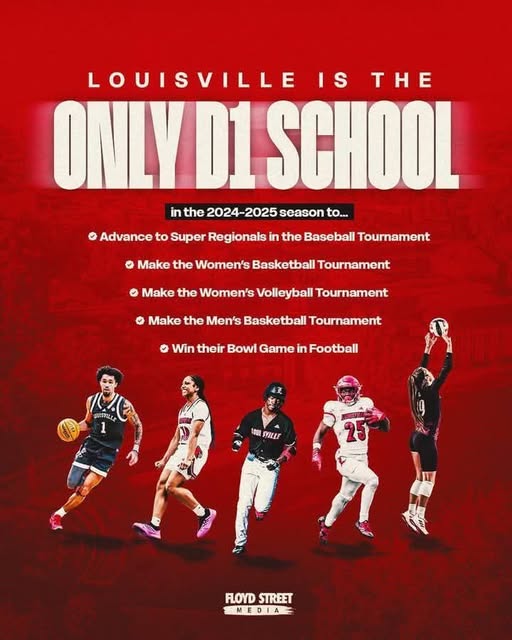
When you look at the paychecks at the University of Louisville, it’s obvious what the school’s priorities are. From the CJ:
More than 20,000 people turn to the University of Louisville each year to gain an education. But it’s not the professors or even the university’s president who are paid the most at the Derby City’s flagship school.
Instead, athletic coaches top the salary roster, with some earning millions each year to lead top-notch programs that in turn generate millions for UofL. Overall, the university’s athletic department has a more than $167 million budget.
To show the scale of the numbers, here’s what assistant coaches and some head coaches of the “minor sports” get:
Brian Brohm, assistant football coach, $856,000
Josh Heird, athletic director, $850,000
Ronald English, assistant football coach, $806,000
Vince Marrow, football general manager, $706,000
Mark Hagen, assistant football coach, $706,000
Roger Williams, associate baseball head coach, $431,000
Richard Owens, assistant football coach, $416,000
Chris Barclay, assistant football coach, $416,000
Eric Snider, assistant baseball coach, $406,000
Brian Kloman, assistant men’s basketball coach, $406,000
Mark Ivey, assistant football coach, $406, 000
Ronnie Hamilton, assistant men’s basketball coach, $406,000
Gregory Brohm, football chief of staff, $400,000
Arthur Albiero, swimming and diving head coach, $366,000
Dominic Reno, football strength and conditioning coach, $350,000
Steve Ellis, assistant football coach, $331,000
Eli Foy, men’s basketball strength and conditioning coach, $306,000
Daniel Meske, women’s volleyball head coach, $306,000
Thomas Carr, assistant men’s basketball coach, $306,000
The top earners and their base annual salaries:
Jeff Brohm, football head coach, $5.2 million
Pat Kelsey, basketball head coach, $2.3 million
Dan McDonnell, baseball head coach, $1.4 million
Jeff Walz, women’s basketball head coach, $1 million
Which brings us back to a point we’ve raised many times before: The University of Louisville would do well by promoting itself as a place where student athletes should go to master their craft, just like a lawyer should go to Harvard or a scientist should go to MIT. That’s where the resources are going, so why pretend otherwise?

Leave a comment